Teaching and Learning Experience Sharing (TALES) Seminar Series (2025/26 Semester 1)
Intended Learning Outcomes
At the end of TALES, participants will be able to:
- Describe the HKBU Graduate Attributes and their importance in the OBTL implementation;
- Develop constructively aligned Intended Learning Outcomes (ILOs), Teaching and Learning Activities (TLAs) and Assessment Methods (AMs) for their respective courses;
- Experiment with new and innovative teaching activities through the deployment of eLearning.
Outline
Workshop Details
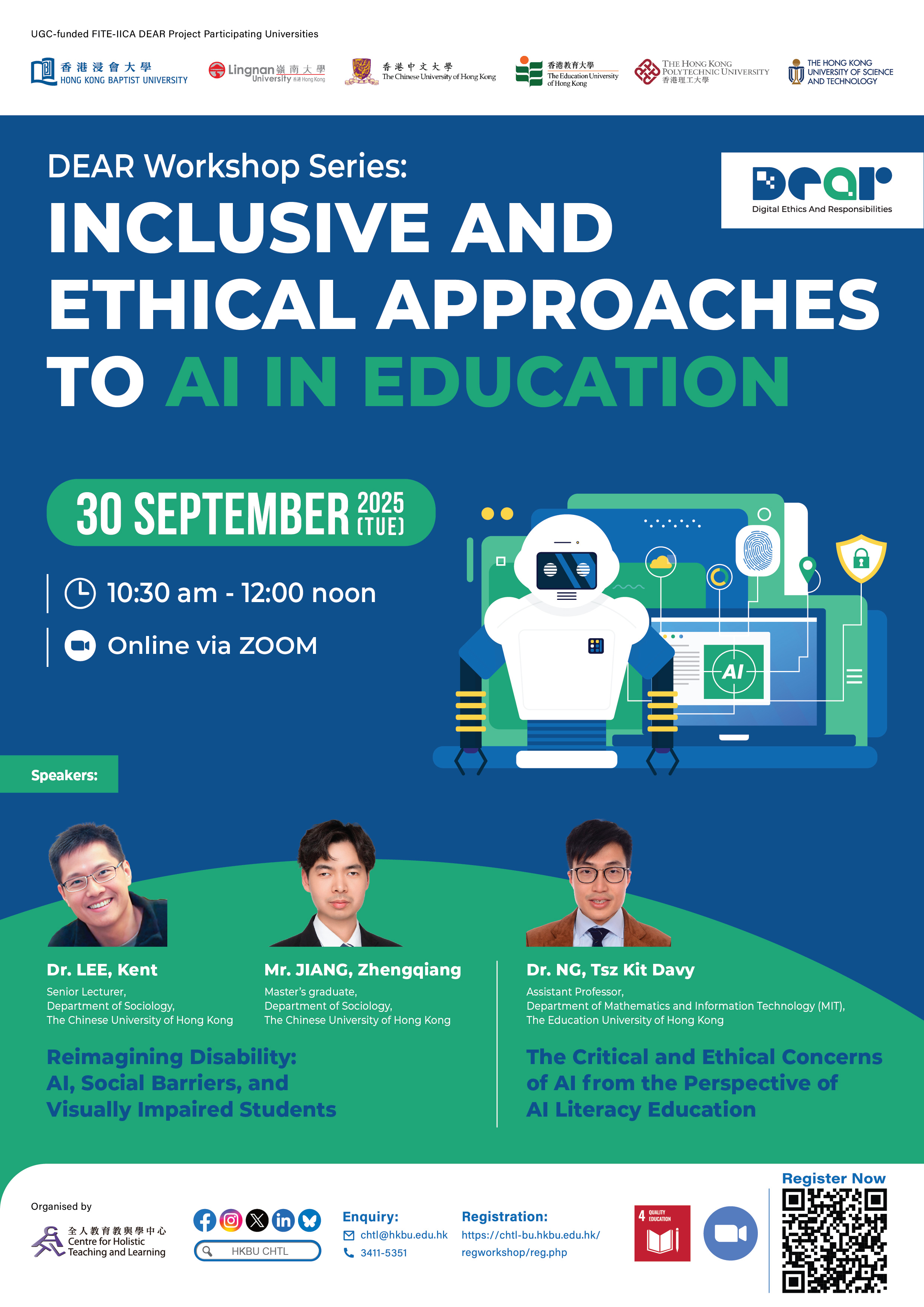
Facilitators:
Dr Kent LEE
Senior Lecturer, Department of Sociology, The Chinese University of Hong Kong
Mr Zhengqiang JIANG
Master’s Graduate, Department of Sociology, The Chinese University of Hong Kong
Dr Tsz Kit Davy NG
Assistant Professor, Department of Mathematics and Information Technology (MIT), The Education University of Hong Kong
Abstract:
(CUHK) Reimagining Disability: AI, Social Barriers, and Visually Impaired Students
This presentation explores emerging research on AI applications for students with disabilities. Early studies often stem from the medical model of disability, which emphasizes how technological advancements help restore disabled students to a "fully functioning" state. While this approach highlights the rehabilitative potential of AI, it tends to overlook how AI can assist students in navigating the social barriers that contribute to their disabilities.
Drawing on in-depth interviews with a dozen visually impaired undergraduate and postgraduate students, Jiang will discuss the implications of AI through the lens of the social model of disability. This perspective emphasizes how AI can empower visually impaired individuals to overcome the often subtle, exclusionary practices embedded in everyday life.
(EdUHK) The Critical and Ethical Concerns of AI from the Perspective of AI Literacy Education
As artificial intelligence becomes increasingly integrated into our daily lives, understanding its ethical implications is essential for both educators and learners. This talk will first explore the conceptualization of Generative AI literacy through an ethical lens. Some effective AI literacy practices will be discussed that emphasize critical thinking and ethical awareness in school and higher education settings. Then, the critical and ethical concerns will be addressed regarding the use of AI, which include lazy learning, authentic expression, socialization, ethical implications, equity and fairness, intense competition, and the potential decentering humans. Finally, the talk will highlight the need to adopt new forms of AI and to update our understanding of AI literacy in a timely manner to embrace emerging technologies.
Sustainable Development Goals (SDG) Mapping

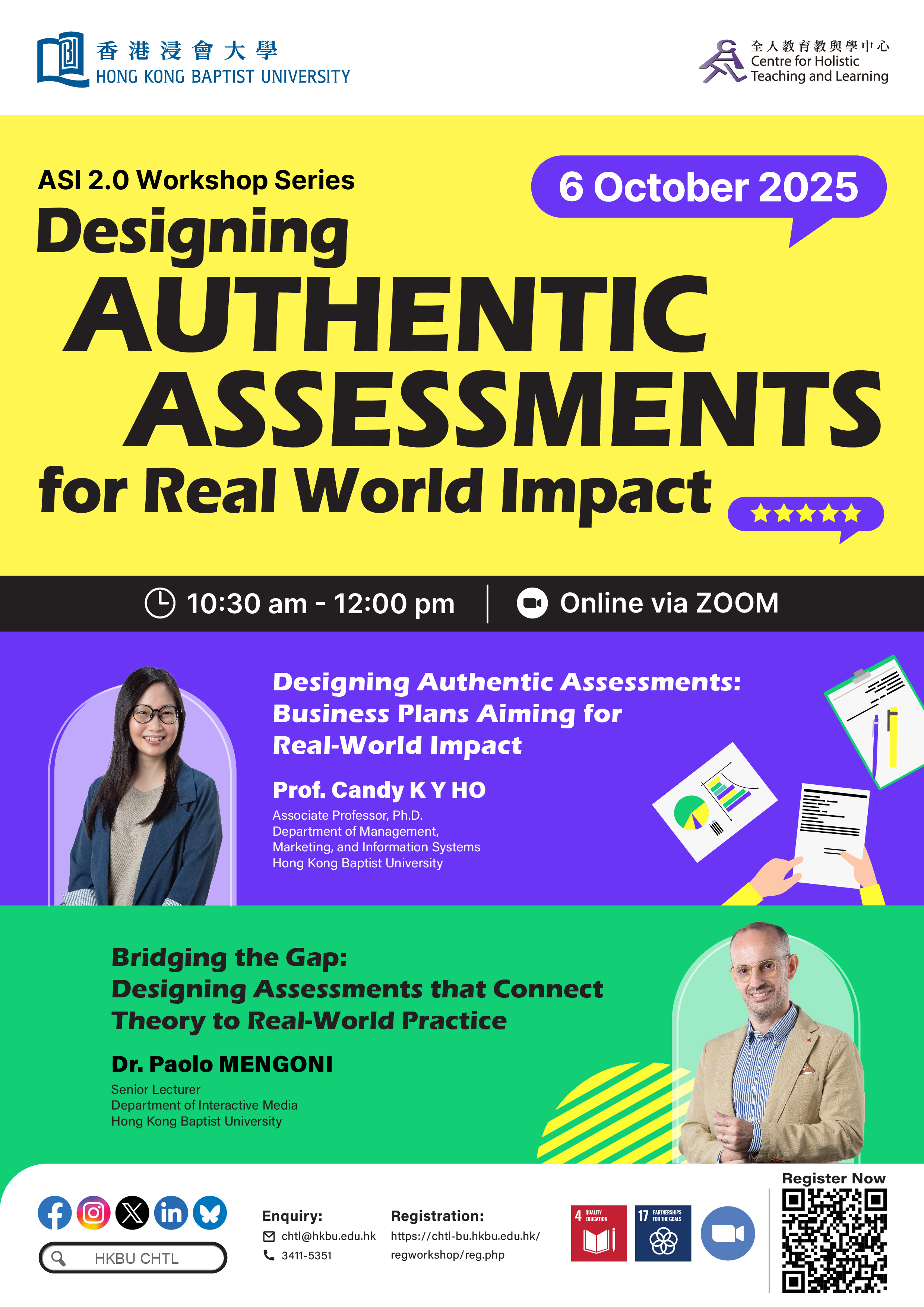
Facilitators:
Prof Candy K Y HO
Associate Professor, Ph. D.
Department of Management, Marketing and Information Systems, Hong Kong Baptist University
Dr Paolo MENGONI
Senior Lecturer, Department of Interactive Media, Hong Kong Baptist University
Abstract:
Designing Authentic Assessments: Business Plans Aiming for Real-World Impact (Prof Candy K Y HO)
Authentic assessment evaluates students by having them apply their knowledge and skills in real-world contexts. One approach to authentic assessment is to invite students to work on projects that solve real-world problems. In an introductory business course, students worked in groups to develop business plans addressing underserved consumer or societal needs and wants. The key processes and outcomes of these projects, including ongoing assessment and feedback, as well as examples of student work and its real-world impact, will be discussed.
Bridging the Gap: Designing Assessments that Connect Theory to Real-World Practice (Dr Paolo MENGONI)
This seminar explores strategies for closing the gap between academic theory and professional practice through authentic assessment design. I will share a portfolio of assessments that engage students in applying their knowledge to practical, real-life scenarios. We will examine projects from three diverse courses: critically analysing complex technologies in everyday use, translating abstract concepts into innovative design solutions, and evaluating emerging applications with an emphasis on both technical and ethical considerations. This session is ideal for instructors interested in shifting their assessment strategies toward application-oriented tasks that better prepare students for their future careers.
Sustainable Development Goals (SDG) Mapping
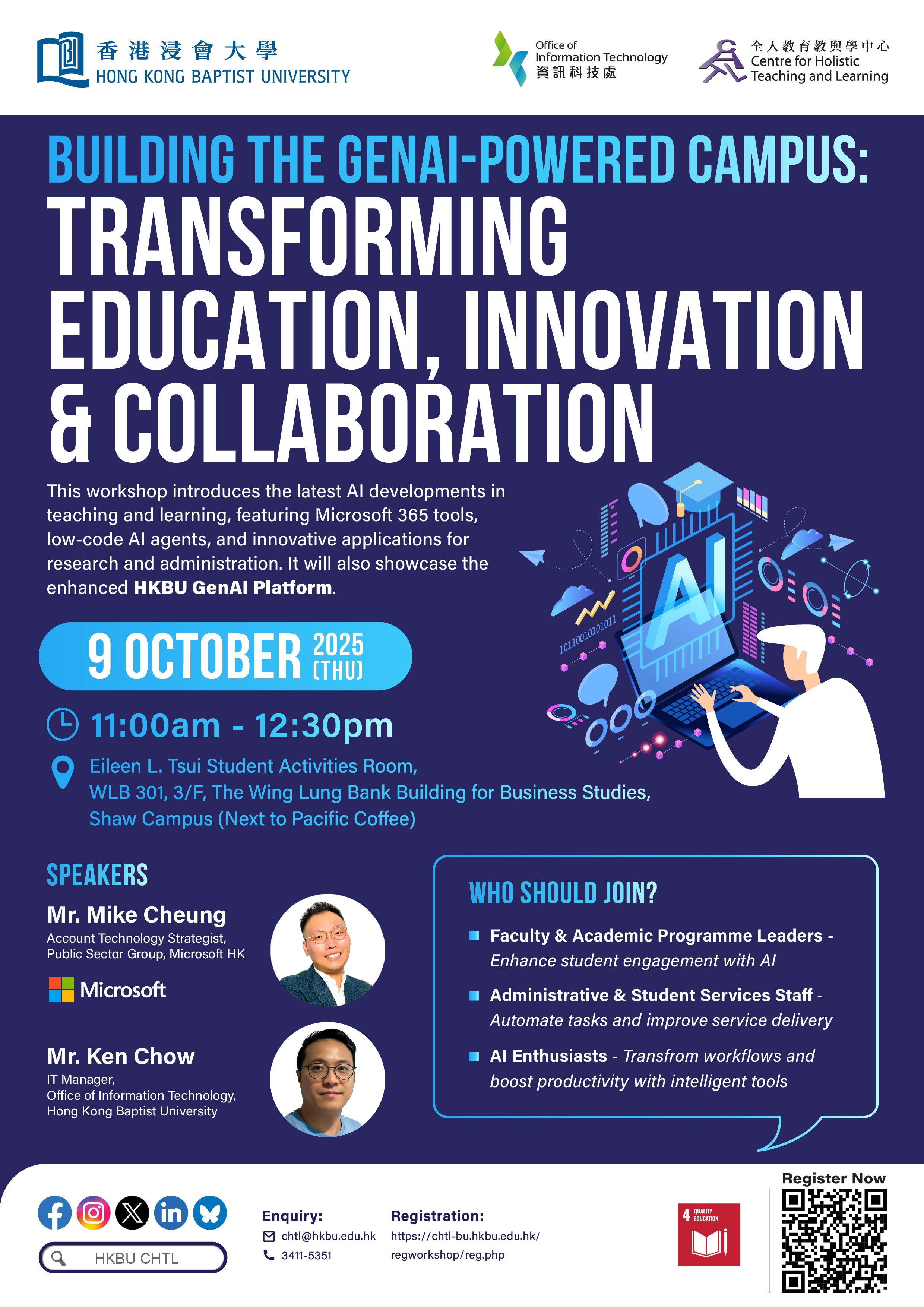
Building the GenAI-Powered Campus: Transforming Education, Innovation & Collaboration
[Jointly Organised by CHTL & Office of Information Technology (ITO)]
Date & Time:
9 October 2025 (Thursday), 11:00 am - 12:30 pm
Venue:
Eileen L. Tsui Student Activities Room, WLB 301, 3/F, The Wing Lung Bank Building for Business Studies, Shaw Campus (Next to Pacific Coffee)
Facilitators:
Mr Mike CHEUNG
Account Technology Strategist, Public Sector Group, Microsoft HK
Mr Ken CHOW
IT Manager, Office of Information Technology, Hong Kong Baptist University
Abstract:
This workshop introduces the latest AI developments in teaching and learning, featuring Microsoft 365 tools, low-code AI agents, and innovative applications for research and administration. It will also showcase the enhanced HKBU GenAI Platform.
Sustainable Development Goals (SDG) Mapping
Facilitators:
Professor Sue BECKINGHAM
Associate Professor, Sheffield Hallam University, UK
Sue Beckingham is an Associate Professor in Learning and Teaching, a National Teaching Fellow, and Learning and Teaching Lead in Computing and Digital Technologies at Sheffield Hallam University, UK. Externally she has recently been conferred as a Visiting Professor at Arden University and has been a Visiting Fellow at Edge Hill University since 2017. She is a Principal Fellow of the Higher Education Academy, Senior Fellow of the Staff and Educational Developers Association, and a SEDA Executive Committee member. Sue is also a member of the Association of National Teaching Fellows Committee and the International Federation of National Teaching Fellows.
Her research interests include social media for learning and the use of technology to enhance active learning; and has published and presented this work internationally as an invited keynote speaker. She is the co-founder of the international #LTHEchat 'Learning and Teaching in Higher Education Chat'. Recent publications include the book Using Generative AI Effectively on Higher Education: Sustainable and Ethical Practices for Learning Teaching and Assessment, and two chapters in The Lecturers Toolkit 6th edition.
Abstract:
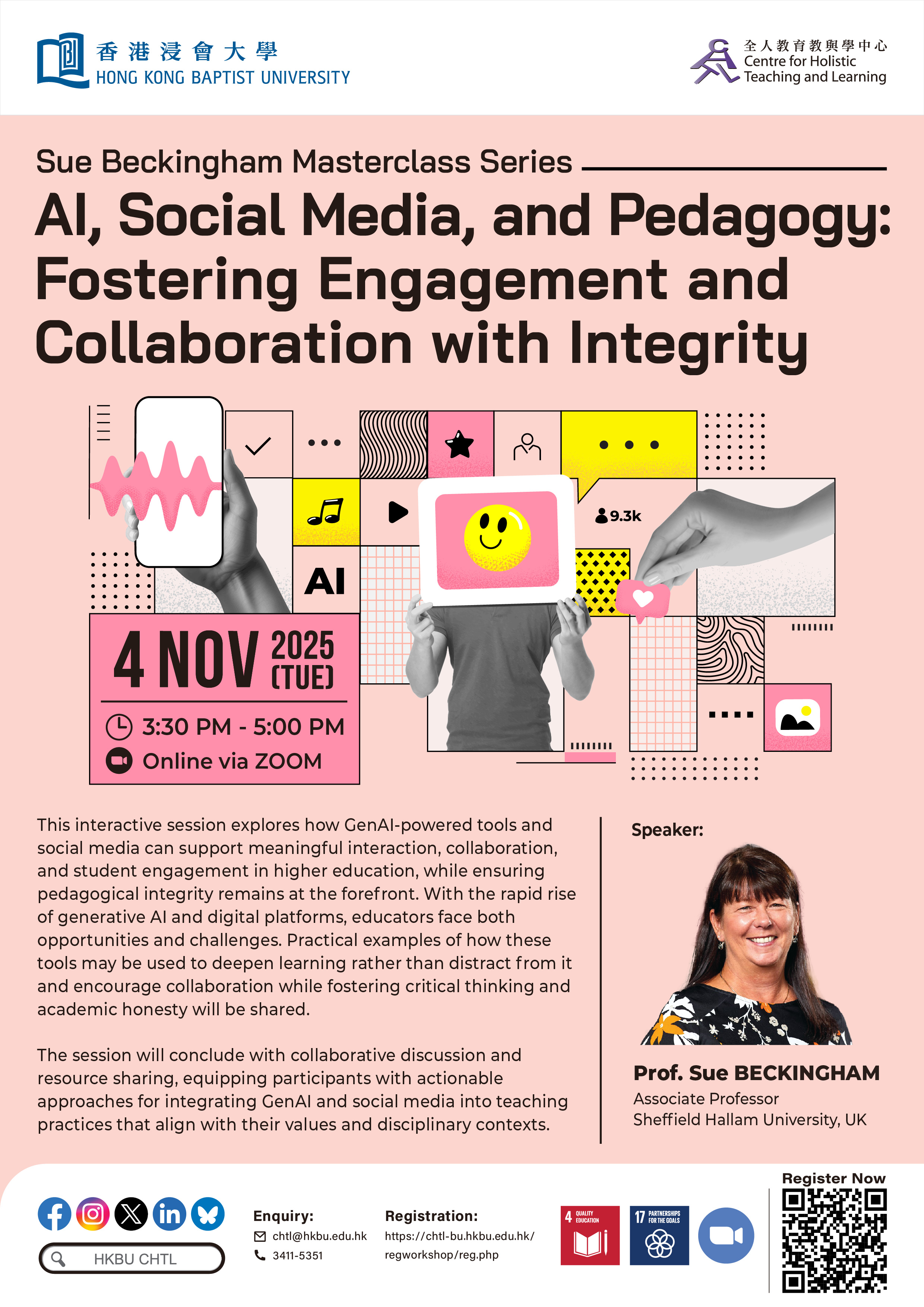
This interactive session explores how GenAI-powered tools and social media can support meaningful interaction, collaboration, and student engagement in higher education, while ensuring pedagogical integrity remains at the forefront. With the rapid rise of generative AI and digital platforms, educators face both opportunities and challenges. Practical examples of how these tools may be used to deepen learning rather than distract from it and encourage collaboration while fostering critical thinking and academic honesty will be shared.
The session will conclude with collaborative discussion and resource sharing, equipping participants with actionable approaches for integrating GenAI and social media into teaching practices that align with their values and disciplinary contexts.
Sustainable Development Goals (SDG) Mapping
Facilitators:
Dr Edd PITT
NTF, PFHEA
Edd is Head of Curriculum and Education Development and Reader in Higher Education at the University of Kent, UK.
Edd is a National teaching Fellow and Principal Fellow of the Higher Education Academy. Edd has recently been collaborating with Academics in the UK, Ireland, Hong Kong and Australia. His principal research field is Assessment and Feedback with a particular focus upon developing staff and student feedback literacy and the use of AI in Higher Education.
For a list of his most recent publications please see here.
Abstract:
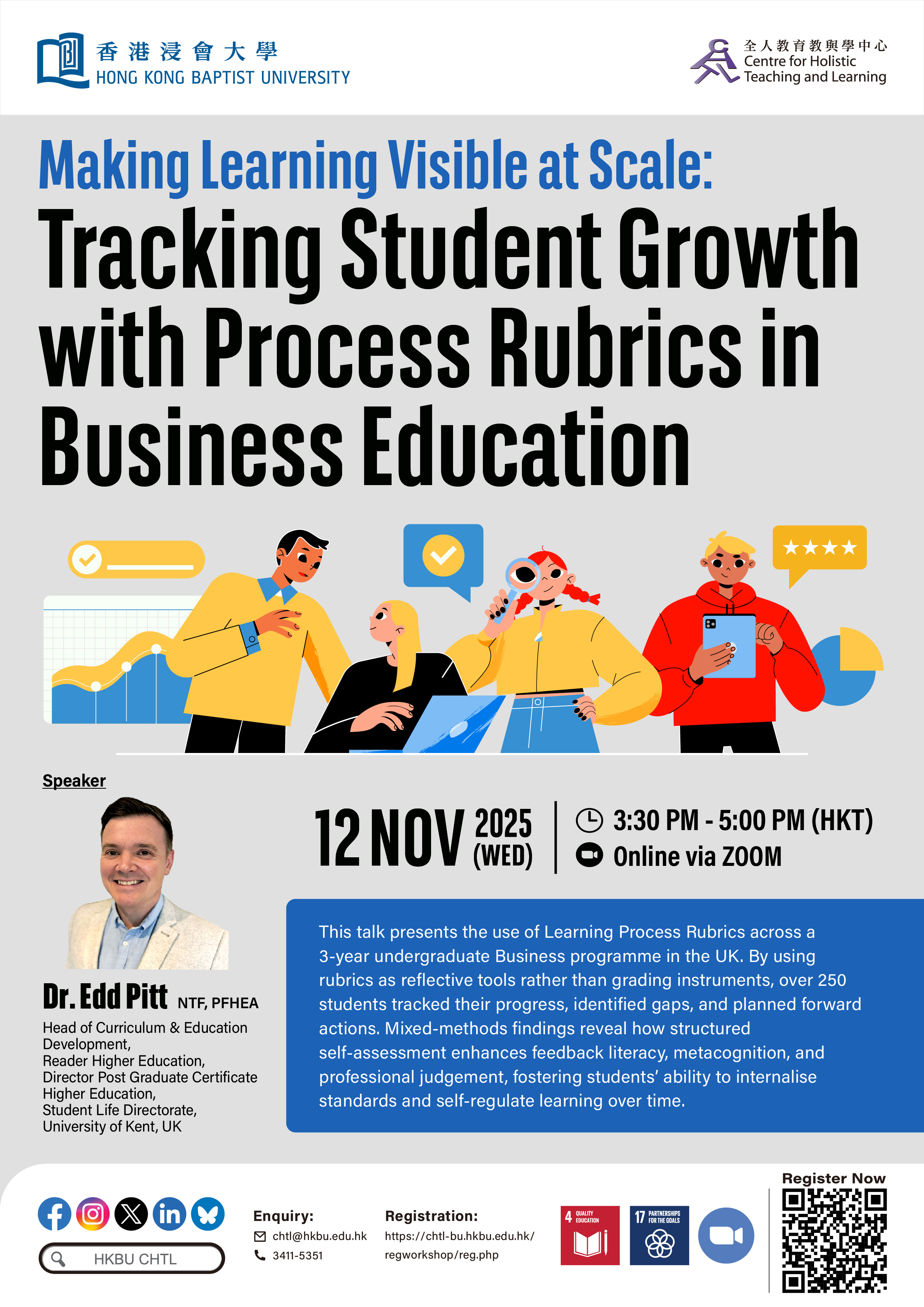
In this talk I will report on the Implementation of Learning Process Rubrics across a three-year undergraduate Business programme at a UK university, examining how structured self-assessment can support students’ longitudinal development of feedback literacy, metacognition and professional judgement. Over 250 students engaged with discipline-tailored rubrics at regular intervals throughout Years 1–3, using them not as grading tools but as reflective instruments to monitor progress, identify gaps and plan forward action. Mixed-methods data were collected: quantitative trajectories of rubric self-ratings over time, alongside qualitative narratives exploring shifts in agency, self-awareness and strategic learning behaviours. The study generated insight into how learning process rubrics can scaffold developmental coherence across a student’s programme of study. I will also discuss whether rubric-based reflection accelerates students' ability to internalise standards and regulate their own learning without over-dependence on tutor feedback.
Sustainable Development Goals (SDG) Mapping
Facilitators:
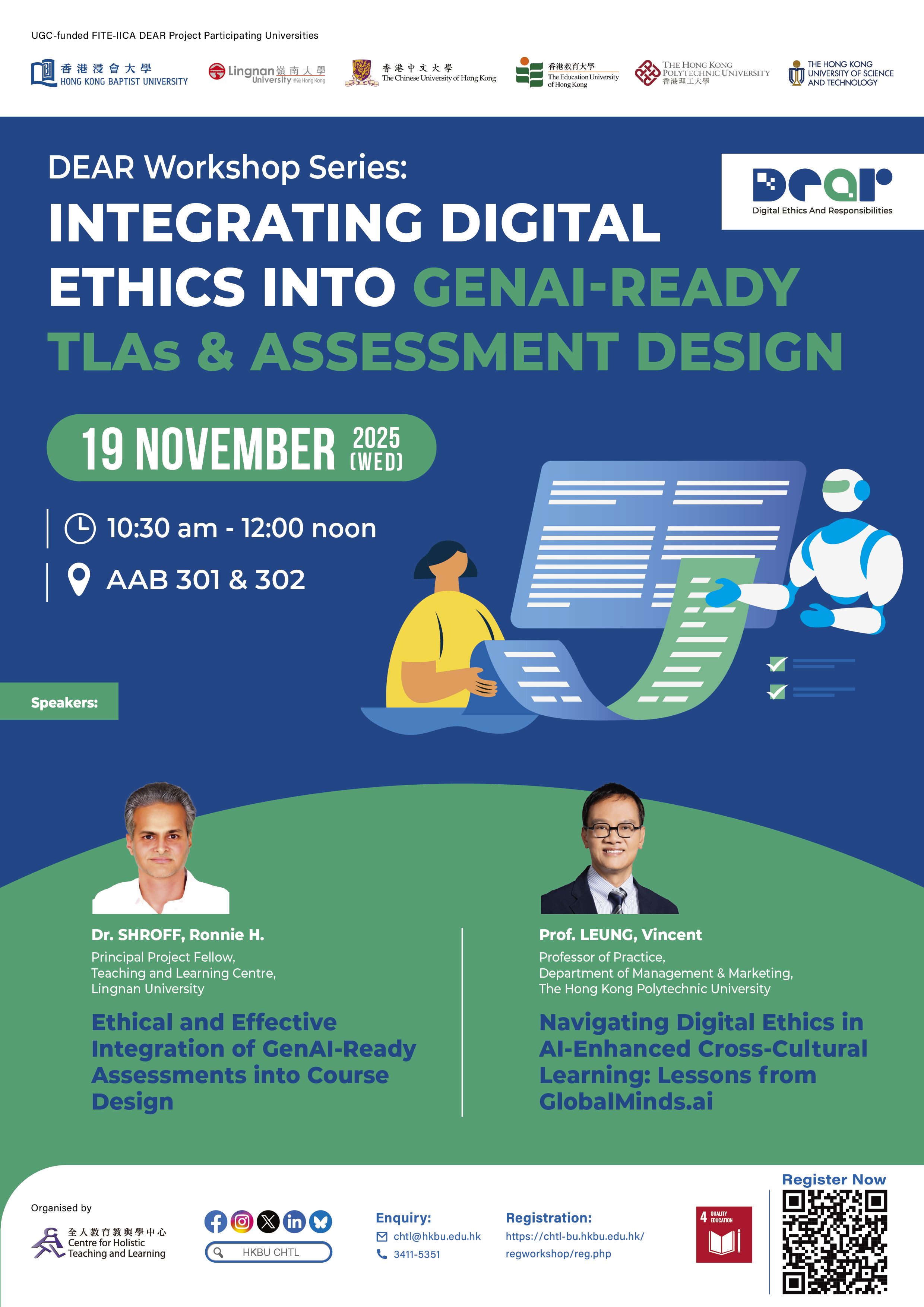
Dr Ronnie H. SHROFF
Principal Project Fellow
Teaching and Learning Centre
Lingnan University
Dr Ronnie H. SHROFF currently serves as the Principal Project Fellow at the Teaching and Learning Centre of Lingnan University. He leads the Lingnan-led, UGC-funded Inter-institutional Collaborative Activities for Teaching Development and Language Enhancement (IICA-TDLE) project, which focused on establishing a quality assurance framework for virtual teaching and learning (VTL), tailored specifically to the Hong Kong context. Additionally, he leads the development of IDEAL-Gen.AI (Instructional Design Enhanced Active Learning through Generative Artificial Intelligence), an innovative AI-powered instructional design platform. Dr. SHROFF’s work centres on advancing pedagogical frameworks, enhancing teaching effectiveness and optimising student learning outcomes through the thoughtful integration of generative AI pedagogies combined with pedagogically-sound design principles and AI-enhanced learning within the higher education landscape. His research, which bridges theory and practice, has led to the development of numerous reliable and validated instruments for measuring active learning strategies and pedagogical frameworks for technology-enhanced learning.
Professor Vincent LEUNG
Professor of Practice
Department of Management & Marketing
The Hong Kong Polytechnic University
Professor Vincent KK LEUNG is a Professor of Practice in Marketing and the Programme Coordinator of the Secondary Major & Minor in Innovation and Entrepreneurship at The Hong Kong Polytechnic University. With a rich background in senior management roles within Chinese and multinational building materials companies, Professor LEUNG brings a wealth of real-world experience to his academic career. His industry expertise informs his teaching philosophy, which focuses on equipping students with practical career management skills, design thinking, and an understanding of technology to foster creative problem-solving.
Abstract:
(LU) Ethical and Effective Integration of GenAI-Ready Assessments into Course Design
This workshop explores the transformative potential of generative AI (GenAI) in revamping course assessment design. Participants will apply the AI Assessment Scale (AIAS) framework to convert traditional assessments into GenAI-ready formats that emphasise academic integrity and higher-order skills, focusing on process over product. Through group activities and an example course assessment, participants will apply pedagogical models (e.g., authentic, problem-based, collaborative and experiential) to transform traditional assessments into context-specific GenAI-ready formats aligned with Bloom’s Taxonomy. The workshop also introduces the IDEAL-Gen.AI (Instructional Design Enhanced Active Learning through Generative Artificial Intelligence) platform, which transforms instructional design by leveraging GenAI, enabling the creation of tailored discipline and course specific learning activities, lesson plans and assessment tasks that align with specific pedagogical needs. By the end of the workshop, participants will be able to generate ethical, engaging, outcome-based and context-specific GenAI-ready assessments that foster academic integrity and higher-order skills.
(PolyU) Navigating Digital Ethics in AI-Enhanced Cross-Cultural Learning: Lessons from GlobalMinds.ai
This 30-minute interactive workshop is designed for higher education faculty to explore the critical ethical dimensions of integrating artificial intelligence into global virtual classrooms. Through a case study centred on the "Culturally-Adaptive Algorithm Dilemma," participants will identify and analyse key challenges such as algorithmic bias, data privacy, and cultural stereotyping. The session introduces the CARE framework (Context, Accountability, Rights, Equity) as a practical tool for ethical decision-making. Attendees will collaborate to develop actionable strategies for responsible AI implementation, aiming to foster greater cross-cultural awareness and ensure equitable learning experiences. Key takeaways emphasise the importance of transparency, cultural humility, and continuous ethical reflection in the age of AI-powered education.
Sustainable Development Goals (SDG) Mapping
Facilitators:
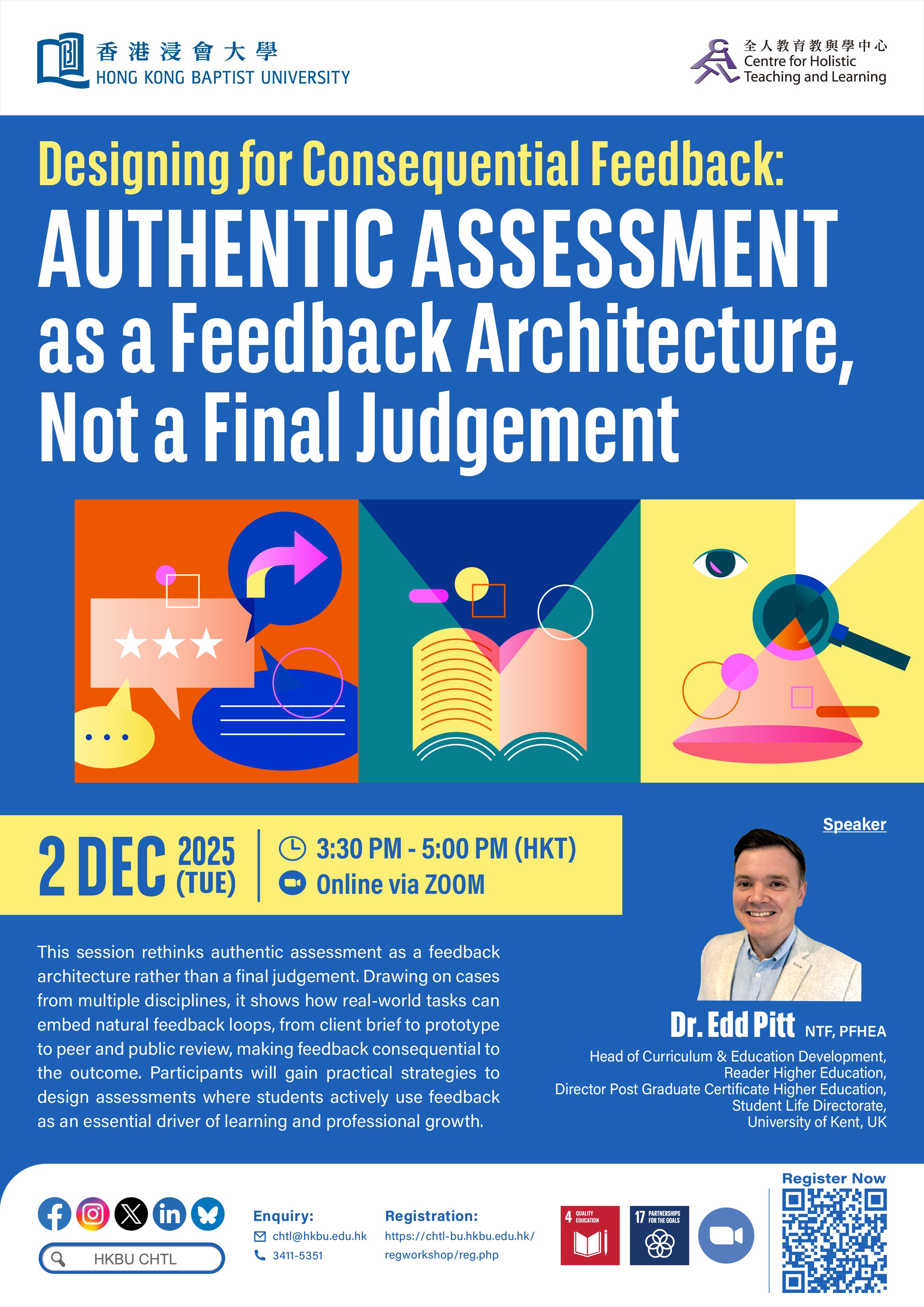
Dr Edd PITT
NTF, PFHEA
Edd is Head of Curriculum and Education Development and Reader in Higher Education at the University of Kent, UK.
Edd is a National teaching Fellow and Principal Fellow of the Higher Education Academy. Edd has recently been collaborating with Academics in the UK, Ireland, Hong Kong and Australia. His principal research field is Assessment and Feedback with a particular focus upon developing staff and student feedback literacy and the use of AI in Higher Education.
For a list of his most recent publications please see here.
Abstract:
This session explores how authentic assessment, when designed from first principles rather than retrofitted to traditional formats, can act as a feedback ecosystem rather than a single evaluative moment. Drawing examples from business, health, creative arts, computing, and interdisciplinary programmes, the talk demonstrates how real-world tasks naturally invite feedback loops across stages: from client-style brief negotiation, to draft prototyping, to peer review, to public-facing outputs. Rather than “adding more feedback,” authentic assessment embeds consequential feedback into the texture of the task itself, that is feedback that must be acted on because it shapes the work’s outcome, audience impact, or professional credibility. The session will offer practical design patterns for different disciplines, show how to make feedback visible and owned by students rather than delivered to them, and provide prompts to audit where feedback currently leaks or goes wasted. Attendees will leave with practical tools for designing assessment that requires, not merely invites, students to engage with feedback as an active driver of learning.
Sustainable Development Goals (SDG) Mapping
Speakers:
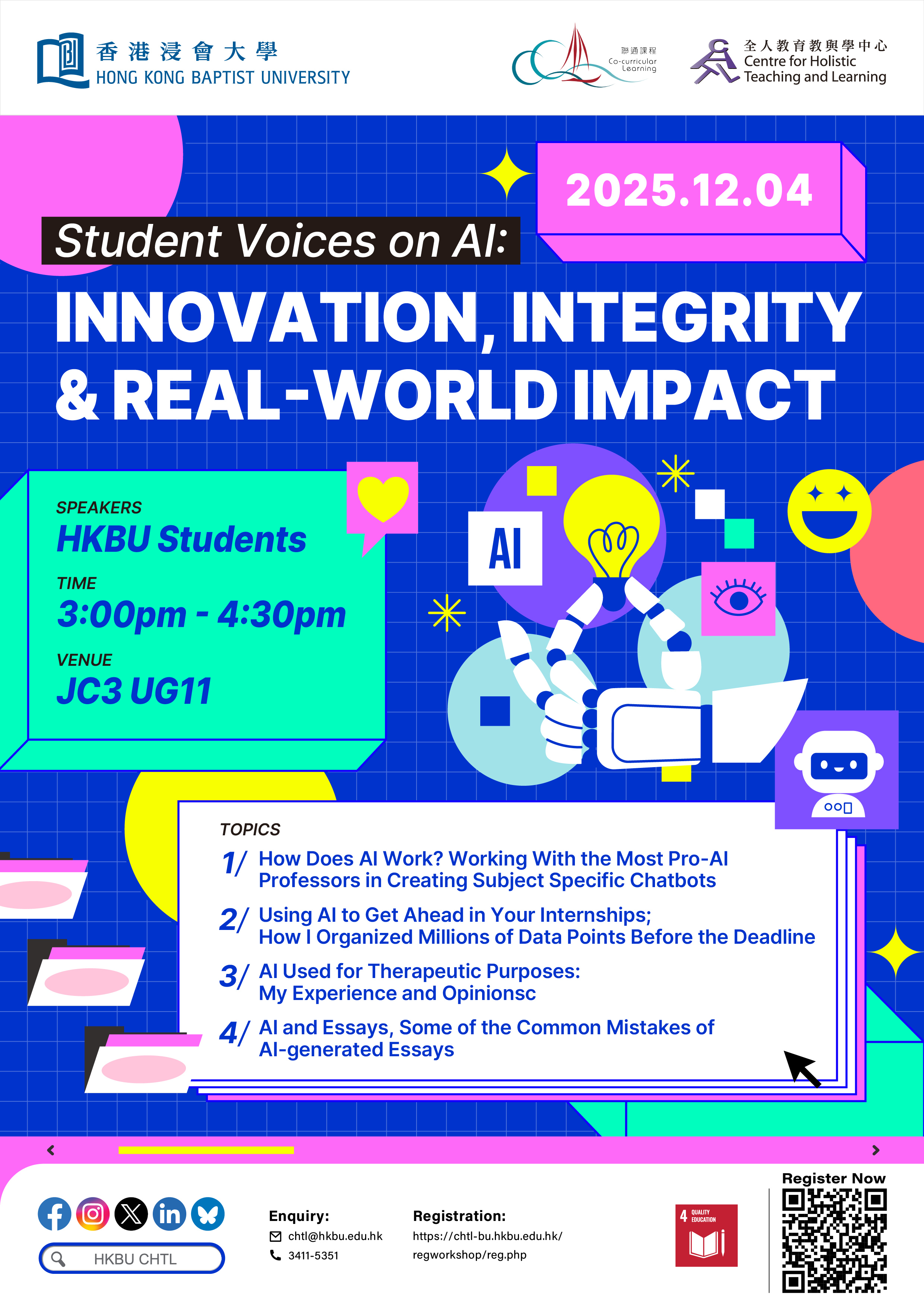
HKBU students
Tentative Speaker Topics:
- How does AI work? Working with the most pro-AI professors in creating subject specific chatbots
- Using AI to get ahead in your internships; How I organized millions of data points before the deadline
- AI used for therapeutic purposes: My experience and opinions
- AI and Essays, Some of the Common Mistakes of AI-Generated Essays
Abstract:
How are students really using AI in their learning and daily lives? This student-led workshop brings together authentic perspectives to showcase innovative, practical and responsible uses of AI. Both teachers and students are welcome to join.
These student stories provide a grounded view of AI’s real-world impact, highlighting opportunities, challenges, and the importance of using AI ethically and mindfully.
Join us to hear directly from students shaping the future of AI in education.
Sustainable Development Goals (SDG) Mapping